

Key components
Infrastructure should support both web systems and AI services.
- Proxmox cluster
- Kubernetes
- Docker ecosystem
- GPU inference servers
- resource monitoring
- CI/CD for deployment
AI solutions need not only models, but also infrastructure: servers, containers, task queues, monitoring, inference services and repeatable deployment.
The laboratory has its own computing infrastructure and uses it for educational, research and applied tasks. This helps validate hypotheses and deploy prototypes faster.
A DevOps approach is important for any serious project: code should run consistently in test and production environments, and errors should be visible through monitoring.
Infrastructure should support both web systems and AI services.
Server infrastructure makes it possible to run models, APIs, databases, queues, analytics and education environments without depending on a single local computer.
Serious systems need backups, logging, load control, orderly updates and an understanding of which services are critical.
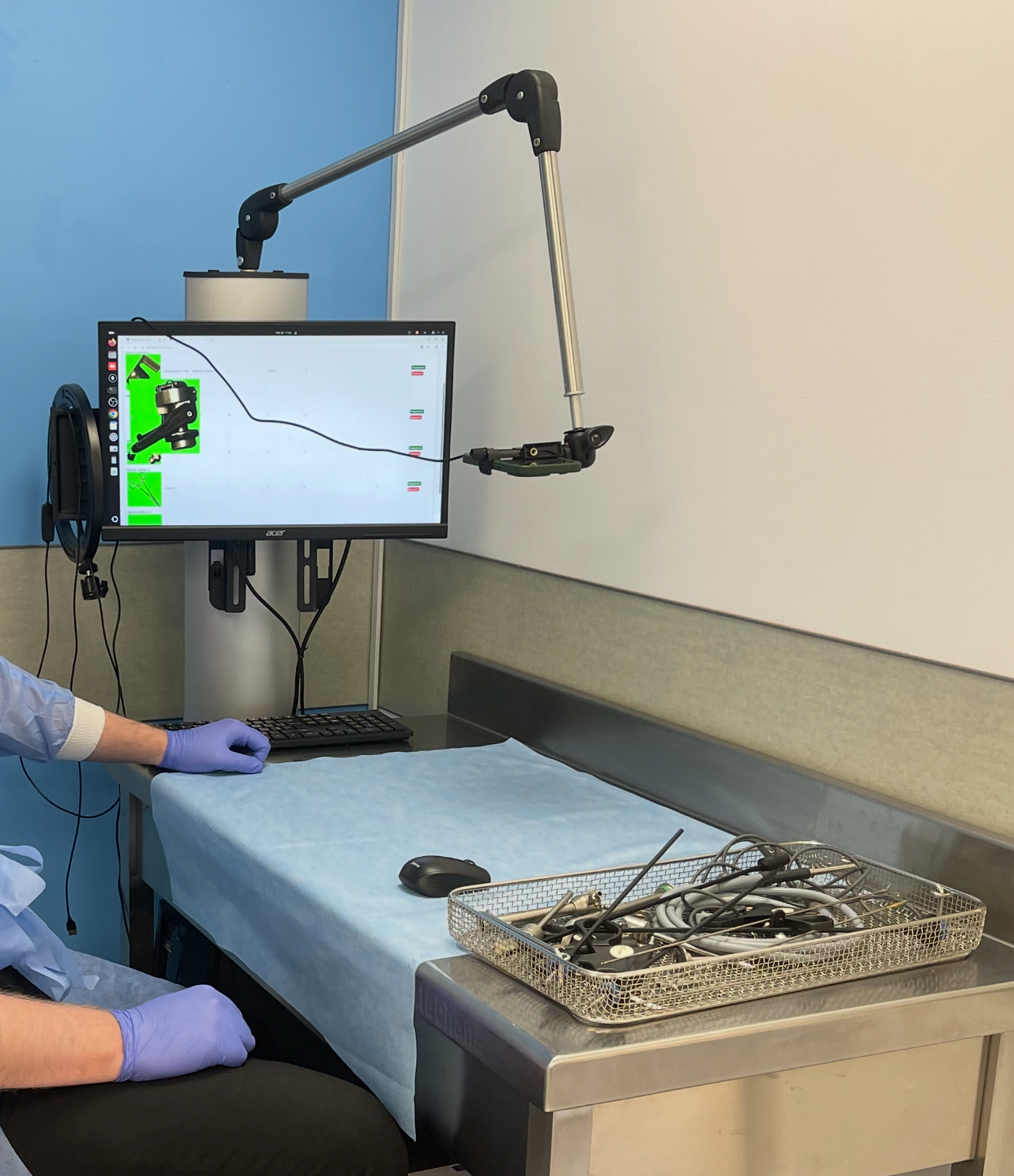 Research Surgical Instrument Recognition System for St. Panteleimon Hospital
 The laboratory researched and developed a camera-based computer vision system for recognizing, training and digitally cataloguing thousands of surgical instruments.
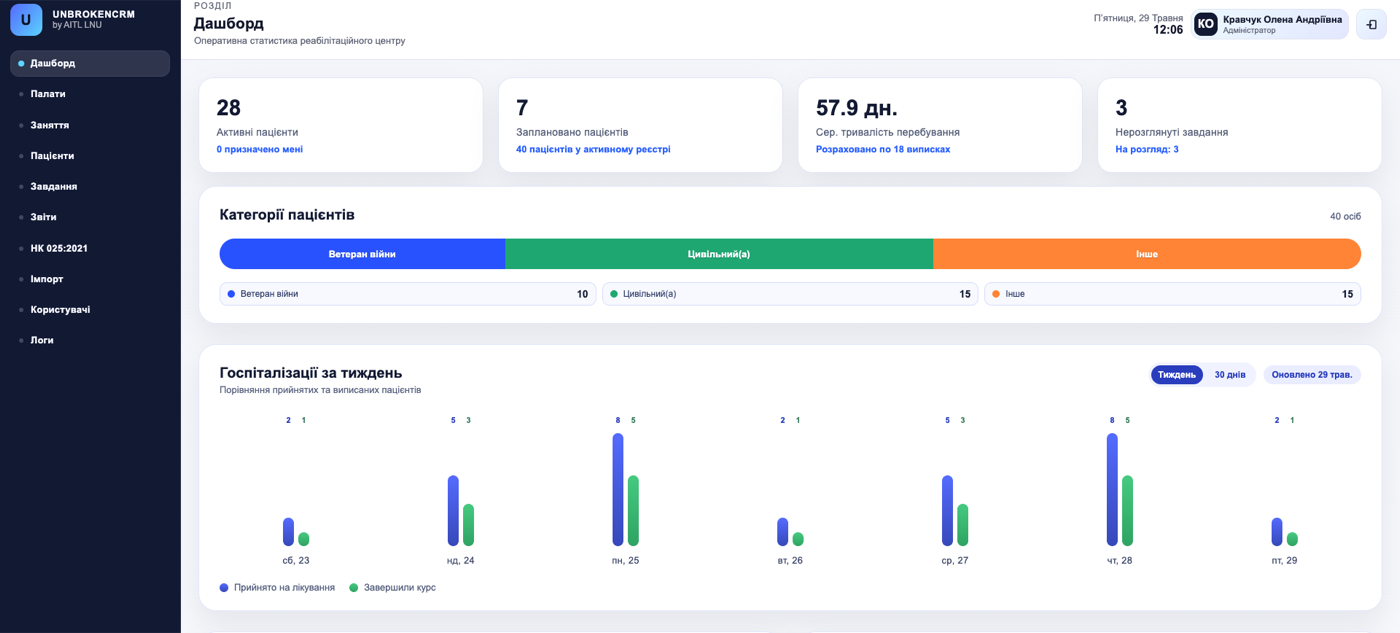 Research Research and Development of a CRM System for Unbroken Hospital
 The laboratory researched and developed a demonstrational CRM system for a medical institution: patients, staff, wards, tasks, NK 025:2021 diagnoses, PDF reports, permissions and audit logs.
GPUs accelerate model training and inference for computer vision, NLP and other ML scenarios where CPUs may be too slow.
No. Kubernetes is useful for many services, scaling and stable deployment. For small prototypes, Docker Compose or a simpler setup may be enough.
Yes, for educational tasks students can contact the laboratory with the goal, usage time and CPU or GPU resource needs.
The laboratory is ready to discuss research, prototypes and non-commercial projects with universities, laboratories, companies, hospitals and public institutions.